British Airways Mayday Flight Passenger Reveals Terrifying In-Flight Experience
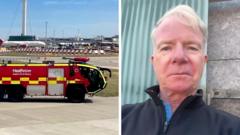
Passenger Recounts Harrowing Moments During British Airways Mayday Flight
A British Airways mayday flight that declared a distress call has captured widespread attention after a passenger disclosed the alarming circumstances that unfolded during the emergency descent. Edward Killiwick, who was traveling aboard the aircraft, has provided an intimate account of the tense ordeal that concluded with a safe landing at London's Heathrow Airport in the early part of this month. His recollection offers a window into the psychological impact experienced by those aboard during what many feared could become a catastrophic situation.
First-Hand Account of the Emergency
Killiwick was among the passengers seated throughout the cabin when crew members announced the unexpected complications requiring immediate action. The British Airways mayday flight situation developed rapidly, leaving travelers with minimal time to process what was happening around them. According to his testimony, the atmosphere shifted dramatically from routine flight operations to heightened concern as the severity of the technical issue became apparent to those on board.
Expressions of Fear During the Descent
The passenger described hearing other travelers express their deepest anxieties as the aircraft began its emergency approach toward the airport. Amid the tension, statements of desperation echoed through the cabin, with some individuals voicing their worst fears about the outcome. The emotional intensity reflected the genuine concern about whether the pilot and crew could manage the situation successfully. These raw human reactions underscored the gravity that passengers perceived during those critical minutes.
Professional Crew Management of Crisis
Despite the frightening circumstances, the flight crew demonstrated composure and adherence to established emergency protocols. The pilot's decision to issue the mayday declaration ensured that ground personnel at Heathrow were fully prepared for the aircraft's arrival. This proactive communication proved instrumental in coordinating emergency response resources, including fire services and medical personnel positioned around the runway. The coordination between air traffic control and the flight deck exemplified standard aviation safety procedures designed to protect all individuals on board.
Safe Resolution at Heathrow
The British Airways mayday flight ultimately descended without further incident, touching down safely at Heathrow Airport. Once on the ground, passengers disembarked according to standard procedures, and subsequent investigations began examining the technical circumstances that necessitated the emergency declaration. No injuries were reported among the 200-plus travelers and crew members aboard the aircraft, marking the successful resolution of what could have developed into a far more serious situation.
Impact on Passenger Experience
Killiwick's willingness to share his experience highlights how emergency situations, even when resolved successfully, leave lasting impressions on those involved. The psychological dimension of aircraft emergencies often extends beyond the physical landing, as passengers process the uncertainty and fear experienced during the event. His account serves as a reminder of the human element present in aviation safety, where crew training, passenger compliance, and clear communication create multiple safeguards against catastrophic outcomes.
Aviation Safety Standards in Action
This British Airways mayday flight incident exemplifies how modern aviation safety systems function during emergency scenarios. The layered approach to aircraft safety—including redundant systems, trained personnel, and established emergency procedures—demonstrates why aviation remains one of the safest forms of transportation despite occasional incidents that test these systems. Regulatory bodies and airlines continuously review such occurrences to identify opportunities for improvement and enhanced passenger protection.
The successful conclusion of this emergency serves as validation of the extensive training that pilots and crew members undergo throughout their careers. Their ability to manage high-stress situations while maintaining control of the aircraft and ensuring passenger welfare remains a cornerstone of aviation safety culture worldwide.