Funeral Director Jailed 20 Years for Failing to Bury Bodies Properly
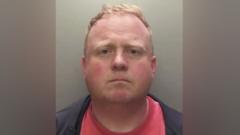
Funeral Director Sentenced to Two Decades for Cremation and Burial Failures
A prominent funeral director has been convicted and sentenced to a 20-year prison term following an extensive investigation into widespread failures in funeral services. The case involving the funeral director's gross negligence reveals how bereaved families were victimized through systematic mishandling of their loved ones' remains, creating one of the most shocking scandals in the funeral industry.
The Scandal Unfolds: What Happened to the Bodies?
During the investigation, authorities discovered that the funeral director failed to properly cremate numerous bodies entrusted to his funeral home's care. Rather than handling the deceased with the dignity and professionalism expected from such establishments, the operation became mired in negligence and deception that left grieving families devastated.
The most disturbing aspect of the case involves the cremation process itself. Instead of properly cremating the deceased relatives of clients, the funeral director returned ashes from completely unrelated individuals to grieving family members. These families, already suffering from the loss of their loved ones, were given the cremated remains of total strangers without their knowledge.
How Families Were Deceived
Bereaved relatives who entrusted their loved ones to the funeral home had no way of knowing that the ashes they received and buried or scattered were not those of their family members. The deception compound their grief, as they discovered they had been holding and honoring the wrong remains.
The funeral director's scheme went undetected for an extended period, during which numerous families became victims of this fraud. Each family believing they possessed their loved one's remains, while in reality, those remains lay uncremated or had been given to another family entirely.
The Criminal Investigation and Evidence
Law enforcement authorities conducted a thorough investigation into the funeral home's operations. They examined records, spoke with multiple families, and worked to trace the actual remains of the deceased. The evidence gathered during this investigation proved conclusively that the funeral director had systematically failed in his responsibilities.
The investigation revealed patterns of negligence extending beyond cremation failures. Bodies that should have been buried according to family wishes remained in the funeral home's care, either improperly stored or disposed of improperly. This compounded the trauma for families who discovered their loved ones had not received the final arrangements they had paid for and requested.
Justice and the 20-Year Sentence
The court determined that the funeral director's actions warranted a substantial prison sentence. The 20-year term reflects the severity of the crimes committed—crimes that violated not only the law but also the sacred trust placed in funeral homes by grieving families during their most vulnerable moments.
The sentence sends a clear message to the funeral industry about the consequences of failing to properly handle human remains and deceiving bereaved relatives. Funeral directors are entrusted with profound responsibilities, and any breach of that trust carries serious legal ramifications.
Impact on the Funeral Industry
This case has raised significant concerns about oversight and regulation within the funeral services sector. Families now face legitimate questions about whether their loved ones are receiving proper care and whether the remains they're given are actually those of their relatives.
The scandal has prompted increased scrutiny of funeral home operations nationwide. Regulatory bodies are reviewing their inspection protocols and considering implementing stricter requirements for documentation, verification procedures, and record-keeping in cremation and burial services.
Families Seek Closure and Answers
The families affected by the funeral director's negligence face the difficult task of finding closure. Many have had to rebury or re-scatter their loved ones' actual remains after discovering they were in possession of someone else's ashes. The emotional toll of this discovery compounds their original grief.
Some families are pursuing additional legal action to seek compensation for the trauma, emotional distress, and additional expenses incurred due to the funeral director's criminal behavior. These civil lawsuits represent an attempt to find some measure of justice beyond the criminal sentence.
Looking Forward: Preventing Future Cases
As the funeral industry grapples with the implications of this case, there is growing momentum toward implementing more rigorous accountability measures. Better tracking systems, multiple verification procedures, and independent audits could help prevent similar abuses in the future.
The case of the imprisoned funeral director serves as a stark reminder of the importance of proper regulation and oversight in industries where vulnerable grieving families place their trust. The consequences of failing to maintain that trust extend far beyond financial penalties—they inflict lasting emotional and psychological harm on bereaved families during an already difficult time.