Mother Left Devastated After Baby's Ashes Misidentified as Animal Remains
Heartbreaking Discovery: Baby's Ashes Misidentified as Animal Remains
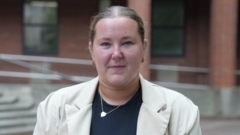
Lucy Ness experienced an unimaginable tragedy when she learned that her baby's ashes had been misidentified as animal remains. This devastating mix-up, which came during an already emotionally fragile period, has raised serious questions about cremation facility procedures and quality control measures. The case highlights the critical importance of accuracy in handling such sensitive and irreplaceable human remains.
The Initial Shock and Emotional Impact
When Lucy Ness received what she believed to be her baby's ashes, she had no reason to suspect anything was amiss. However, upon closer examination and subsequent investigation, the remains were discovered to have been incorrectly labeled and categorized as animal remains rather than human cremains. This shocking revelation compounded her grief and left her questioning how such a catastrophic error could occur.
The emotional toll of this discovery cannot be overstated. For a mother already struggling with the loss of her child, being told that her baby's ashes had been misidentified represented a second, traumatic blow. Lucy Ness articulated her anguish with the poignant statement: "I hope my baby's remains are with someone who loves them like I loved these." Her words reflect not only her despair but also her deep concern about where her precious child's remains might actually be.
Questions About Cremation Facility Procedures
This incident has sparked widespread concern about the protocols and safeguards implemented at cremation facilities. Standard industry practices should include multiple verification checkpoints to prevent such tragic errors. From initial intake procedures to final packaging and delivery, each step requires meticulous documentation and cross-referencing to ensure that remains are properly identified throughout the entire process.
The misidentification of baby's ashes suggests that somewhere in this chain of custody, critical verification procedures may have failed. Whether the error occurred during the cremation process itself, during labeling, or during transfer to the family, the outcome remains the same: a mother was denied the proper remains of her deceased child.
The Search for Answers and Accountability
Following the discovery that the ashes had been misidentified, Lucy Ness has understandably sought answers about how this devastating error occurred. Families entrusting cremation facilities with their deceased loved ones expect the highest standards of care, respect, and accuracy. When such basic expectations are violated, it raises serious questions about oversight, training, and accountability within the industry.
The case of Lucy Ness and her baby's ashes misidentified incident has prompted discussions about what remedial actions facilities should take when such errors are discovered. Beyond administrative corrective measures, many argue that families deserving compensation and support must be identified and properly assisted in their search for truth and closure.
Impact on Grieving Families Everywhere
This situation resonates deeply with families across the country who have entrusted cremation facilities with their loved ones. For those already coping with profound loss, the addition of administrative errors and uncertainty about remains can be psychologically devastating. Parents who have lost children face unique challenges in their grief journey, and such institutional failures can significantly complicate the healing process.
The incident underscores the vulnerability of families during their most difficult times. When turning to professional services to handle final arrangements, people reasonably expect competence and compassion. Lucy Ness's case demonstrates what happens when those expectations are tragically unmet.
Moving Forward: Ensuring Better Safeguards
In the aftermath of this misidentification, attention has turned toward how the cremation industry can implement stronger safeguards. Modern technology, including DNA verification and advanced tracking systems, offers potential solutions to prevent such errors. Facilities must prioritize implementing robust identification systems that make it virtually impossible for baby's ashes or any human remains to be misidentified.
Industry-wide reviews of current practices could help identify vulnerabilities in existing procedures. Training programs for staff should emphasize the gravity of their responsibilities and the lasting impact that errors can have on grieving families. Additionally, families should have access to transparent information about what verification measures are in place to protect their loved ones' remains.
Lucy Ness's heartbreaking story serves as a cautionary tale about the importance of institutional responsibility and the need for continuous improvement in how cremation facilities operate and safeguard the remains entrusted to their care.