Orange Order March Ruling Reignites Drumcree Tensions
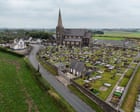
Historic Drumcree Sectarian Confrontation Returns to Spotlight
A significant legal development has thrust Drumcree sectarian confrontation back into the political arena after decades of relative stability. The High Court's decision to quash restrictions on an Orange Order march has reopened wounds from one of Northern Ireland's most contentious cultural disputes, threatening to destabilize the fragile peace that has held for approximately twenty years.
The ruling centres on marching activities along Garvaghy Road, a location that has been at the epicentre of Drumcree sectarian confrontation disputes since the 1990s. This judicial intervention marks a dramatic shift from the period of comparative calm that replaced the intense confrontations of previous decades.
Understanding the Historical Context of Drumcree
The Drumcree village, situated near Portadown in County Armagh, became synonymous with Northern Ireland's deepest sectarian divisions during the late twentieth century. What began as routine marching disputes evolved into a symbol of broader cultural and religious tensions that gripped the entire region.
Throughout the 1990s and early 2000s, Drumcree emerged as a flashpoint for violent clashes between Orange Order marchers, residents opposed to the parades, and police forces attempting to maintain order. The escalation from street confrontations to broader sectarian violence represented one of the most challenging periods in the peace process timeline.
The Long Road to Relative Peace
Following years of political negotiation and community dialogue, the intensity surrounding Drumcree sectarian confrontation gradually diminished. By the early 2000s, a de facto ceasefire had taken root, allowing communities to move away from the annual cycle of marching season tensions and violence.
This period of relative calm did not signify complete resolution but rather a pragmatic acceptance of the status quo. Various restrictions and agreements were implemented to prevent the inflammatory conditions that had previously sparked confrontations between marchers and residents of the Garvaghy Road area.
The Court Ruling and Its Implications
The recent High Court decision to overturn existing restrictions on Orange Order march activities threatens to upend this carefully maintained equilibrium. Legal experts and political analysts warn that removing longstanding limitations could recreate conditions that historically triggered widespread sectarian violence extending far beyond the immediate Drumcree area.
The ruling has immediately reignited political tensions, with various stakeholders expressing concerns about the potential for renewed conflict. Community leaders from both sides of the sectarian divide have warned that restoring unrestricted marching rights without corresponding safeguards could destabilize efforts built over two decades to maintain peace.
Political Reactions and Concerns
Northern Ireland's political establishment has responded with alarm to the judicial development. Representatives from nationalist and unionist parties have expressed divergent views on the ruling, with each side interpreting the decision through the lens of their community's interests and historical grievances.
Residents along Garvaghy Road, who have long opposed the Orange Order marches through their neighbourhood, face renewed uncertainty about their right to peaceful coexistence. Their concerns reflect deeper anxieties about the balance between cultural expression and community rights in a deeply divided society.
Looking Forward: Potential Consequences
The implications of this High Court decision extend beyond the immediate marching dispute. Legal analysts suggest the ruling could establish precedents affecting other contested parades and cultural expressions throughout Northern Ireland, potentially creating cascading effects on community relations across the region.
Security forces have already begun reassessing contingency plans for potential violence during upcoming marching seasons. These preparations underscore widespread recognition that the current ruling could trigger the kind of conditions that previously necessitated massive police and military presence in Portadown and surrounding communities.
Conclusion: A Test for Peace Architecture
The Drumcree sectarian confrontation that resurfaces through this legal development represents a critical test for Northern Ireland's peace framework. The decision demonstrates how judicial rulings can interact with deeply rooted cultural and religious divisions to either reinforce or undermine fragile community stability.
As stakeholders navigate this new development, the challenge will be finding solutions that respect legal principles while maintaining the peaceful conditions that communities have worked hard to establish. The outcome of these negotiations will significantly shape how Northern Ireland continues to address the complex relationship between cultural expression, community rights, and sectarian peace.