Surgeons Master Remote Control of Humanoid Robots
Revolutionary Advancement in Surgical Robotics
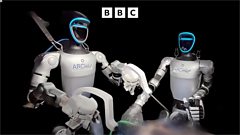
Robotic surgery has reached a significant milestone as surgeons demonstrate their ability to remotely operate two humanoid robots simultaneously within a modern operating theatre. This groundbreaking achievement represents a major step forward in medical technology and surgical precision, showcasing how automation and remote control capabilities are reshaping the future of healthcare delivery.
The Technology Behind Remote Surgical Control
The humanoid robots utilized in this operation are equipped with advanced sensory feedback systems and precision manipulation tools designed to replicate human surgical movements. Surgeons controlling these machines from a remote location receive real-time visual feedback through high-definition cameras integrated into each robot's optical systems. This telepresence approach allows medical professionals to perform complex procedures with remarkable accuracy, regardless of physical distance.
How Real-Time Feedback Enhances Surgical Outcomes
The synchronization between the surgeon's movements and the robotic arms occurs instantaneously through sophisticated telecommunications networks. This seamless connection ensures that even the most delicate surgical gestures translate accurately to the operating field. The robotic surgery platform incorporates force feedback mechanisms that allow surgeons to feel virtual sensations, providing crucial tactile information essential for procedural success.
Transforming Healthcare Through Automation
Remote-controlled robots in operating theatres address longstanding challenges in surgical medicine. Geographic barriers no longer prevent access to world-class surgical expertise, as top surgeons can now treat patients across vast distances. This capability proves invaluable in underserved regions where specialized surgical talent remains scarce. The humanoid robots maintain steady precision that surpasses human capabilities during extended procedures, reducing fatigue-related errors.
Advantages for Patient Safety
The integration of robotic surgery technology enhances patient outcomes through improved precision and reduced operative trauma. Surgeons benefit from enhanced visualization options, including magnified three-dimensional views of the surgical field. The remote control interface eliminates physiological tremor, enabling incisions of unprecedented accuracy. Recovery times diminish substantially as minimally invasive robotic procedures cause less tissue damage compared to conventional surgical approaches.
Operating Theatre Innovation and Future Applications
This demonstration of dual-robot surgical control opens unprecedented possibilities for complex multi-site procedures. Surgeons can now coordinate interventions across multiple anatomical areas simultaneously, a capability previously requiring multiple independent surgical teams. The operating theatre environment has transformed into a high-tech command center where precision, automation, and human expertise converge seamlessly.
Expanding Robotic Surgery into New Specialties
Beyond cardiothoracic applications, robotic surgery finds expanding use in neurosurgery, orthopedic procedures, and urological interventions. Trauma surgery benefits dramatically from remote control capabilities, allowing surgeons to manage critical patients immediately rather than awaiting physical transportation. Educational institutions now integrate surgical robotics training into residency programs, preparing the next generation of surgeons for technology-driven practice.
Addressing Technical and Regulatory Considerations
Successful remote-controlled robot operations require robust cybersecurity infrastructure to prevent unauthorized access and ensure patient data protection. Regulatory bodies worldwide are developing comprehensive frameworks governing humanoid robot usage in clinical settings. Bandwidth requirements and latency specifications must meet stringent standards to guarantee surgical safety and procedural reliability.
Quality Assurance in Robotic Surgical Systems
Rigorous testing protocols validate robotic surgery platforms before clinical implementation. Each humanoid robot undergoes extensive calibration to ensure movement fidelity and mechanical reliability. Surgeons receive comprehensive training encompassing equipment operation, troubleshooting procedures, and emergency protocols ensuring patient safety throughout every intervention.
The Future Landscape of Surgical Practice
As robotic surgery technology matures, widespread adoption across hospitals and surgical centers accelerates globally. This operational demonstration proves that remote control of humanoid robots represents not science fiction but medical reality. Healthcare systems investing in surgical robotics position themselves at the forefront of medical innovation, improving patient access to specialized expertise and enhancing procedural outcomes substantially.
The successful remote operation of two humanoid robots in an operating theatre signals a transformative era in surgical medicine, where distance dissolves and precision reaches unprecedented levels through cutting-edge automation technology.