Trump Examines AI Security Measures Following OpenAI Breach
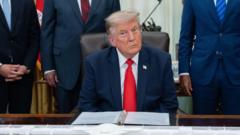
Trump Administration's Shift on Artificial Intelligence Oversight
The Trump administration is currently evaluating potential AI security measures in response to recent hacking incidents that have affected OpenAI and its operations. This development represents a notable departure from the administration's previous position, which had maintained a predominantly deregulatory stance toward the rapidly evolving artificial intelligence sector.
Previously, the administration adopted a hands-off strategy regarding AI governance, prioritizing innovation and minimal interference in technological development. However, the recent security breaches have prompted a reconsideration of this approach, signaling potential governmental involvement in establishing protective frameworks for artificial intelligence systems.
Understanding the Security Challenges in AI Systems
The incidents involving OpenAI have highlighted significant vulnerabilities within prominent AI platforms. These breaches raise important questions about data protection, system integrity, and the safeguarding of sensitive information processed by advanced machine learning systems. As AI security measures become increasingly critical, policymakers are examining how federal oversight might strengthen defensive capabilities against cyber threats.
The nature of these attacks demonstrates that even well-resourced technology companies face persistent challenges in protecting their infrastructure. Cybersecurity experts emphasize that robust security protocols require continuous adaptation to emerging threat landscapes, particularly within organizations handling substantial volumes of user data and proprietary algorithms.
Policy Framework Under Consideration
Administration officials are exploring various regulatory approaches that would address vulnerabilities without stifling innovation. The discussions encompass technical standards, mandatory reporting requirements for security incidents, and industry collaboration mechanisms. Such a framework would represent a middle ground between complete deregulation and heavy-handed intervention.
Key considerations in these deliberations include establishing clear accountability measures for technology companies, defining security benchmarks for AI systems, and creating information-sharing protocols between government agencies and private sector organizations. These elements could form the foundation of a comprehensive approach to AI security measures that protects national interests while preserving competitive advantages in artificial intelligence development.
Industry Response and Stakeholder Perspectives
Technology companies have expressed varied reactions to the prospect of increased regulatory attention. Some industry leaders support the establishment of baseline security standards that would create a level playing field across the sector. Others express concerns that prescriptive regulations could impose substantial compliance costs and slow deployment of beneficial AI applications.
OpenAI and similar organizations are actively engaged in discussions with administration officials about appropriate safeguards. These conversations reflect broader questions about how government policy should evolve as artificial intelligence becomes increasingly integrated into critical infrastructure, financial systems, and public services.
Broader Implications for Technology Regulation
The administration's reconsideration of AI security measures policy occurs within a larger context of global technological competition. Other nations, including China and the European Union, have implemented or are developing their own regulatory frameworks for artificial intelligence. The United States administration recognizes the strategic importance of maintaining technological leadership while ensuring adequate protection against security risks.
Federal agencies are coordinating efforts to assess current vulnerabilities and develop appropriate policy responses. This interagency approach involves collaboration among cybersecurity experts, technology specialists, and policymakers to create coherent guidelines that address both immediate security concerns and long-term strategic considerations.
Looking Forward: Future of AI Governance
The trajectory of U.S. policy on artificial intelligence appears to be shifting toward a more engaged regulatory model, moving away from the previous laissez-faire approach. This evolution reflects recognition that emerging technologies require thoughtful governance that balances innovation incentives with protective measures.
As these policy discussions continue, the technology sector and policymakers alike face the challenge of crafting governance structures that remain flexible enough to accommodate rapid technological advancement while providing sufficient oversight to protect critical systems and user data. The outcomes of current deliberations will likely shape the regulatory landscape for artificial intelligence in the United States for years to come.