Trump Halts New Chinese Humanoid Robot Imports
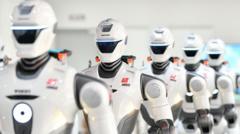
Trump Administration Implements Restrictions on Chinese Humanoid Robot Technology
The Trump administration has moved to restrict the importation of new Chinese humanoid robots, marking a significant escalation in the ongoing technological confrontation between the United States and China. This decision reflects growing concerns about maintaining American dominance in the advanced robotics sector amid intensifying global competition.
The Strategic Technology Race Unfolds
The United States and China find themselves engaged in an increasingly fierce competition to establish technological supremacy in robotics and artificial intelligence. Both nations recognize that dominance in these fields will largely determine their geopolitical influence and economic prosperity throughout the coming decades. The restriction on Chinese humanoid robots represents a critical juncture in this broader rivalry.
Understanding the Scope of the Ban
The prohibition focuses specifically on new Chinese humanoid robot models entering American markets and facilities. This targeted approach aims to prevent Chinese manufacturers from gaining footholds in critical American industries while simultaneously protecting domestic robotics development initiatives. The restrictions apply to advanced models designed for industrial applications, research institutions, and commercial enterprises across various sectors.
Implications for American Technology Development
By limiting access to Chinese humanoid robots, the Trump administration seeks to accelerate investment in domestically-developed robotic solutions. American technology companies and research institutions can now focus resources on creating indigenous alternatives without competing against low-cost Chinese imports. This protectionist strategy intends to strengthen American industrial capabilities while reducing dependence on foreign robotics platforms.
China's Role in Global Robotics Innovation
Chinese manufacturers have emerged as formidable competitors in the robotics sector, producing advanced humanoid robots that rival American designs in functionality and cost-effectiveness. Companies have successfully marketed their products internationally, gaining substantial market share in both developed and developing economies. The administration's decision reflects anxiety about losing technological advantage to Chinese innovation and manufacturing efficiency.
Broader Context of US-China Technology Competition
This ban represents merely one element within a comprehensive strategic approach to containing Chinese technological advancement. Previous administrations and current policies have targeted semiconductors, artificial intelligence software, quantum computing, and biotechnology sectors. The focus on humanoid robots indicates recognition that this specific technology domain carries significant strategic importance for both military and civilian applications.
Impact on American Robotics Companies
Domestic robotics manufacturers welcome the restrictions as protective measures enabling fair competition. American firms can now develop and commercialize their own humanoid robot technologies without facing cost competition from well-funded Chinese enterprises. This environment encourages increased research investment and accelerates product development cycles across the American robotics industry.
International Responses and Trade Considerations
Chinese officials have likely protested the restrictions through diplomatic channels, characterizing them as unfair trade barriers and protectionist measures. International trade organizations monitor such actions closely, recognizing potential violations of existing trade agreements. Other nations may face pressure to adopt similar restrictions or respond with countermeasures protecting their own technology sectors.
Looking Forward: The Future of Robotics Competition
The robotics and artificial intelligence landscape will continue evolving rapidly regardless of import restrictions. Chinese manufacturers will likely focus on domestic markets and alternative international partnerships, while American companies accelerate development efforts. Both nations will invest heavily in next-generation robotics technologies, ensuring that competition intensifies across multiple domains including humanoid design, autonomous capabilities, and integrated AI systems.
Conclusion
The Trump administration's decision to ban new Chinese humanoid robots represents a decisive action in the larger technological rivalry between superpowers. While this restriction aims to protect American interests and promote domestic innovation, the underlying competition between the United States and China in robotics and artificial intelligence will persist and likely intensify through alternative channels and technological domains.