Trump Pledges Investigation Into EU Tech Fines Against US Giants
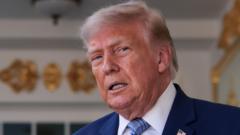
Trump Administration Targets EU Regulatory Penalties
The United States president has declared his intention to initiate a comprehensive investigation into the European Union's approach to tech company enforcement, signaling potential escalation in transatlantic trade tensions. Trump EU tech fines investigation represents a significant shift in how Washington addresses what it views as discriminatory regulatory practices against American technology firms, including Google, Apple, Meta and Amazon.
Demands for Complete Financial Reversal
During recent statements, the president expressed strong opposition to the substantial penalties imposed by European regulators. He contended that all fines levied against these major tech corporations should be "entirely reversed," characterizing the EU's enforcement actions as unfair treatment of American businesses operating within European markets.
The administration's position reflects broader concerns about what officials describe as protectionist regulatory measures targeting US-based technology leaders. Trump EU tech fines investigation aims to examine whether Brussels has systematically disadvantaged American companies while potentially favoring European competitors through selective enforcement of competition and data protection regulations.
Tech Giants Face European Regulatory Scrutiny
Google stands among the most heavily penalized firms, having absorbed billions in fines across multiple EU enforcement actions related to search practices, advertising dominance, and alleged anticompetitive behavior. Apple has faced significant financial penalties concerning App Store policies and payment mechanisms. Meta and Amazon have similarly encountered substantial regulatory consequences for various business practices deemed problematic under European competition and privacy frameworks.
These enforcement actions emerged from rigorous investigations by the European Commission and national regulators who determined these companies violated applicable competition and consumer protection rules. The fines represented efforts to address what European authorities characterized as market abuses and unfair competitive practices within their jurisdiction.
Implications for Transatlantic Relations
Trump's announcement signals potential retaliatory measures against European Union policies and potentially individual member states' regulatory approaches. The investigation could lead to countervailing actions, tariffs, or other trade-related responses designed to pressure Brussels into modifying its enforcement strategy toward American technology companies.
This confrontational approach contrasts with previous diplomatic efforts to resolve regulatory disagreements through negotiation and mutual understanding between US and EU authorities. The president's direct call for financial reversal indicates Washington's willingness to escalate the dispute beyond standard trade dialogue channels.
Broader Context of Tech Regulation Disputes
The tension between American and European regulators over technology company oversight has persisted for years. The EU established itself as a leading enforcer of digital competition and privacy standards, enacting regulations like GDPR and Digital Markets Act that impose strict requirements on technology platforms. American officials have frequently criticized these regulatory frameworks as disproportionately affecting US companies while protecting European technology interests.
The Trump administration views Trump EU tech fines investigation as essential for defending American business interests and establishing reciprocal treatment in international markets. Officials argue that European regulations and enforcement actions unfairly disadvantage companies headquartered in the United States while creating operational barriers that competitors in other regions do not face.
Looking Forward
The administration's stated investigation will likely examine the legal foundations, enforcement methodologies, and potential remedies available under US trade law. This process could take months or potentially years, but the preliminary messaging suggests the White House intends to pursue aggressive action to challenge what it perceives as unfair European regulatory treatment of American technology corporations.