UK Supreme Court to Examine Palestine Action Proscription Appeal
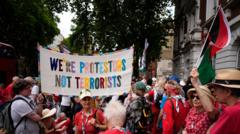
Palestine Action Proscription Appeal Granted Supreme Court Hearing
The United Kingdom's highest court has granted permission for a significant appeal regarding the Palestine Action proscription ban, allowing the activist organization's co-founder to proceed with challenging the government's controversial decision. This Palestine Action proscription appeal represents a major development in the ongoing legal battle surrounding the group's designation under anti-terrorism legislation, marking a potential turning point in how such governmental actions are scrutinized by the judiciary.
Background of the Proscription Decision
The government's decision to proscribe Palestine Action under anti-terrorism laws sparked considerable debate within civil liberties circles and among supporters of the organization. The Palestine Action proscription has been contested since its implementation, with legal experts questioning both the procedural and substantive grounds for the designation. The organization had previously sought to challenge the ruling through lower court proceedings before escalating to the nation's supreme judicial authority.
Significance of Supreme Court Permission
Obtaining permission to appeal to the UK Supreme Court represents a substantial hurdle overcome by the applicant, as the court is highly selective about which cases it reviews. The Palestine Action proscription appeal's acceptance indicates the court believes the case raises issues of genuine public importance and legal significance that warrant examination by the nation's most senior judges. This development suggests the court recognizes potential constitutional implications in how the government exercises its proscription powers under anti-terrorism frameworks.
Legal Framework and Anti-Terrorism Legislation
The proscription of organizations under anti-terrorism legislation falls under statutory powers designed to address groups deemed to pose security threats. However, such decisions must comply with fundamental legal principles including natural justice, procedural fairness, and proportionality. The Palestine Action proscription appeal will likely examine whether the government adhered to these principles when making its designation decision. Legal observers note that Supreme Court involvement could establish important precedents affecting how future proscription decisions are made and challenged.
Co-Founder's Legal Challenge
The Palestine Action co-founder leading this challenge has argued that the proscription decision lacks sufficient legal foundation and procedural propriety. The case will examine whether adequate evidence supported the government's determination that the organization posed sufficient threat to warrant proscription. Legal representatives have emphasized that the Palestine Action proscription appeal raises fundamental questions about governmental accountability and the protection of legitimate political expression and activism.
Implications for Civil Liberties
The outcome of this Palestine Action proscription appeal could have far-reaching consequences for how the government exercises proscription powers and how courts review such decisions. Civil liberties organizations have expressed concern about the broader implications of proscribing activist groups, particularly regarding the balance between security considerations and protection of legitimate political expression. The Supreme Court's examination of this case may establish important benchmarks for evaluating future proscription determinations.
Next Steps in the Appeal Process
Following permission being granted, the Palestine Action proscription appeal will proceed to full hearing before the Supreme Court judges. Both the applicant and government representatives will present detailed arguments regarding the legality and appropriateness of the original proscription decision. The court is expected to consider written submissions, hear oral arguments, and then deliver a judgment that could reshape how such decisions are made and challenged in British law.
Ongoing Debate and Public Interest
The Palestine Action proscription matter has generated considerable public and media interest, reflecting broader discussions about protest rights, government powers, and the definition of terrorism under British law. Campaign groups and legal observers are closely monitoring the case, viewing it as potentially significant for establishing safeguards around governmental use of proscription powers. The Supreme Court's willingness to hear this Palestine Action proscription appeal demonstrates the judiciary's recognition of its importance.
The Supreme Court's decision to grant permission represents a significant moment in this ongoing legal dispute, ensuring that the highest judicial authority will examine whether the government's proscription powers were exercised lawfully and appropriately.