Wales Faces Record Drought as Conditions Worsen Dramatically
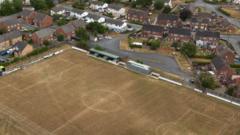
Wales Drought Conditions Declared Across Nation
A comprehensive drought declaration has been issued across Wales as severe water shortages continue to deteriorate throughout the summer months. The Wales drought conditions represent an unprecedented environmental challenge, with meteorological data indicating July is tracking toward becoming the driest month recorded in nearly 190 years of historical records.
Record-Breaking Dry Weather Pattern
The current meteorological situation affecting Wales drought conditions is unprecedented in recent decades. Official measurements show rainfall levels have plummeted well below seasonal averages, creating critical water deficits across both urban and rural regions. This marks a significant departure from the nation's typical precipitation patterns and poses substantial risks to water supply infrastructure.
Historical Significance of Current Crisis
Never before in approximately 190 years of recorded meteorological history has Wales experienced such extreme drying during July. The Wales drought conditions being declared today underscores the severity and scale of the current environmental emergency. Hydrological specialists confirm this represents the most severe precipitation deficit in living memory for most Welsh communities.
Impact on Water Resources and Supply
Water authorities across Wales have initiated emergency protocols as reservoir levels decline rapidly. The drought conditions affecting Wales have necessitated restrictions on non-essential water usage, including garden watering bans and car washing prohibitions. Agricultural regions face particularly severe consequences, with farmers reporting stressed crops and reduced grazing availability for livestock across affected areas.
Agricultural Sector Under Strain
Rural communities throughout Wales are experiencing unprecedented pressure due to the drought conditions. Farmland productivity has diminished substantially, with crop yields expected to fall significantly below normal projections. Livestock operations require supplemental water supplies, increasing operational costs for agricultural producers dependent on seasonal precipitation patterns.
Environmental and Ecological Consequences
The Wales drought conditions extend beyond immediate water supply concerns, affecting natural ecosystems and wildlife habitats. Rivers and streams have receded to abnormally low levels, threatening fish populations and aquatic species dependent on adequate water flow. Wetland environments are drying prematurely, disrupting breeding cycles for migratory bird populations and other wildlife dependent on these critical habitats.
Vegetation and Forest Fire Risk
Dry conditions have elevated wildfire risk across forested regions of Wales. Vegetation moisture content has dropped dangerously low, creating hazardous conditions for uncontrolled fire spread. Emergency services have increased monitoring and prevention efforts as the Wales drought conditions persist, with particular concerns for protected natural areas and woodland conservation zones.
Official Response and Management Strategies
Welsh government authorities and water management agencies have implemented comprehensive response protocols addressing the Wales drought conditions. Official declarations include mandatory water conservation measures, temporary usage restrictions, and emergency allocation procedures ensuring priority supplies for essential services and residential populations. Water companies are coordinating inter-regional resource sharing to maintain service continuity.
Conservation Measures and Public Requirements
Residents and businesses throughout Wales face new water usage guidelines designed to preserve remaining supplies during the ongoing drought conditions. Public cooperation with conservation mandates remains essential for maintaining adequate reserves for critical services including hospitals, emergency services, and essential infrastructure.
Long-Term Climate Implications
Scientists studying the Wales drought conditions warn this event may reflect broader climate pattern shifts affecting precipitation distribution. Extended drought periods could become more frequent if global climate trends continue current trajectories, necessitating long-term infrastructure adaptations and resource management planning for Wales and surrounding regions.
The declaration of drought conditions across Wales represents a critical moment requiring coordinated response from government, businesses, agricultural stakeholders, and residential populations. Ongoing monitoring and adaptive management will be essential for navigating the environmental challenges posed by these unprecedented water scarcity conditions affecting the entire nation.