England Faces Widespread Drought Crisis as Over 50% of Nation Enters Water Shortage
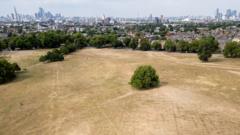
England Drought Crisis Reaches Critical Levels
An unprecedented England drought crisis has gripped the nation, with the Environment Agency formally declaring that more than half of England now faces severe water scarcity conditions. This widespread England drought situation represents one of the most significant water management challenges the country has experienced in recent times, stemming from an exceptionally prolonged hot and dry period that has persisted across multiple months.
Causes Behind the Widespread Water Shortage
The current drought declaration emerged following an extended period of exceptionally high temperatures combined with significantly below-average rainfall patterns. This unusual meteorological combination has created perfect conditions for rapid evaporation and soil moisture depletion across agricultural regions and natural ecosystems throughout England. The sustained heat wave has accelerated the depletion of water reserves in reservoirs, underground aquifers, and surface water sources upon which communities depend.
Temperature and Rainfall Patterns
Record-breaking temperatures during the summer months have intensified evaporation rates from water bodies and soil surfaces. Simultaneously, precipitation levels have fallen dramatically below historical averages, preventing natural replenishment of water sources. This dual pressure on water availability has forced authorities to implement immediate conservation measures and restrictions on non-essential water usage across affected regions.
Impact on Agricultural Sectors
Farmers across England have reported substantial damage to crops due to the prolonged dry conditions. The environmental impact of drought on agriculture has been particularly severe, with irrigation demands skyrocketing while water availability remains critically limited. Livestock farmers face challenges in maintaining adequate water supplies for their animals, while crop yields have declined significantly compared to previous years. Grain production, vegetable cultivation, and other agricultural outputs have all suffered considerable losses due to insufficient soil moisture and extreme heat stress on plants.
Rivers and Freshwater Ecosystem Consequences
England's river systems have experienced alarming declines in water levels, with some watercourses reaching their lowest points in decades. Fish populations and other aquatic species face unprecedented stress as habitats shrink and water temperatures rise. The river water levels have dropped so dramatically that some tributaries have become completely dry in certain sections. This ecological catastrophe threatens biodiversity and disrupts the delicate balance of freshwater ecosystems that depend on consistent water flow.
Wildlife and Ecosystem Stress
Beyond agricultural concerns, wildlife habitats throughout England are experiencing severe strain from the extended drought. Wetlands have contracted significantly, reducing breeding grounds for migratory birds and amphibians. Reduced river flows have eliminated crucial spawning grounds for salmon and trout populations. The interconnected nature of freshwater ecosystems means that the impact of the drought ripples through multiple species and habitats, creating a cascading ecological crisis.
Government and Official Response Measures
The Environment Agency's formal drought declaration triggered immediate implementation of water conservation protocols and usage restrictions. Water companies have activated emergency response plans, including temporary hosepipe bans, restrictions on garden watering, and appeals for voluntary consumption reduction among households and businesses. Additionally, authorities have begun exploring alternative water sourcing methods and emergency transfers between regions with more abundant supplies.
Regional Distribution of Water Scarcity
The drought affects different regions with varying severity, with southeastern England experiencing particularly acute shortages. Thames Water, Severn Trent, and other regional water authorities have implemented stage-specific restrictions based on supply availability and demand projections. Some water companies have escalated to more severe rationing stages compared to others, reflecting the heterogeneous nature of the crisis across the country.
Long-Term Implications for Water Management
This severe England drought crisis has prompted discussions about long-term water infrastructure investments and climate adaptation strategies. Experts highlight the need for improved water storage capacity, leak reduction in aging pipe networks, and development of alternative water sources such as desalination facilities. The crisis underscores the vulnerability of England's water supply systems to climate variability and the urgent necessity for resilience-building measures.
Public and Community Impact
Residents across affected areas face daily reminders of water scarcity through conservation mandates and visible environmental changes. Community gardens and green spaces have suffered visible degradation from lack of irrigation. Public fountains and recreational water features have been shut down to preserve precious supplies. The drought has prompted behavioral changes in household water usage, with increased awareness of conservation practices among the general population.
Looking Ahead: Recovery and Prevention
While short-term focus remains on managing immediate shortages, longer-term planning addresses drought resilience and climate adaptation. Investment in sustainable water management infrastructure, protection of water sources, and development of drought-resistant agricultural practices represent crucial components of future preparedness. The current crisis serves as a catalyst for systemic change in how England approaches water security and environmental stewardship.