J&J Proposes $5.5 Billion Settlement for Talc Product Cancer Claims
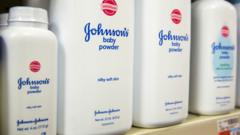
Major Settlement Agreement Resolves Talc Product Cancer Dispute
Johnson & Johnson has announced a substantial financial proposal to resolve talc product cancer lawsuits that have plagued the company for several years. The healthcare giant is offering up to $5.5 billion to settle the extensive litigation surrounding its baby powder formulations, which plaintiffs have claimed caused serious health complications.
This comprehensive settlement represents a significant development in one of the most contentious product liability disputes in recent corporate history. The talc product cancer lawsuits have accumulated thousands of claims from consumers who alleged that prolonged exposure to the company's talcum powder products resulted in malignant conditions.
Understanding the Legal Battle Background
The litigation involving J&J's baby powder has spanned multiple years, with numerous plaintiffs filing claims across various jurisdictions. The core allegations center on assertions that talc-based personal care products carry inherent carcinogenic properties when applied to sensitive areas of the body. These talc cancer litigation cases have generated substantial media attention and public discourse regarding product safety standards in the cosmetics and personal care industry.
Thousands of individuals have joined class actions and individual lawsuits, seeking compensation for medical expenses, pain and suffering, and other damages. The cumulative legal expenses and potential verdicts have created mounting pressure on the corporation to address the matter comprehensively.
Financial Impact and Settlement Structure
The proposed $5.5 billion settlement serves as a resolution framework designed to address the multitude of pending claims without further protracted litigation. This amount reflects both the company's desire to close this chapter and the recognition of the significant compensation needs of affected parties. The settlement structure includes provisions for claim verification and distribution mechanisms to ensure eligible plaintiffs receive appropriate compensation.
Industry analysts note that this settlement demonstrates the substantial financial consequences corporations may face when facing coordinated product liability cases involving personal care products. The magnitude of the proposal underscores the severity of the allegations and the breadth of affected consumers.
Resolution of Years-Long Litigation
The settlement proposal aims to terminate the prolonged legal dispute that has consumed company resources and management attention. Rather than continuing through multiple trial phases with unpredictable outcomes, this approach provides certainty for all stakeholders involved. The baby powder legal claims have generated an unprecedented volume of litigation activity, making settlement negotiations increasingly complex.
Legal experts suggest that both parties have incentives to conclude this matter. J&J can move forward without ongoing legal uncertainty, while claimants achieve guaranteed compensation rather than uncertain trial outcomes. This mutual interest has facilitated the negotiation process toward a comprehensive resolution.
Broader Implications for Consumer Product Safety
The settlement of these Johnson & Johnson settlement discussions carries implications beyond the immediate parties involved. It raises important questions about product testing protocols, safety disclosure requirements, and corporate responsibility in the personal care industry. Regulatory bodies and consumer advocates continue monitoring similar cases involving other manufacturers.
The case has prompted increased scrutiny of talc-containing products and their potential health risks. Medical and scientific communities have engaged in ongoing debate regarding the relationship between talc exposure and cancer development, with research continuing to evolve.
Path Forward and Implementation
As the settlement framework advances through necessary legal and regulatory approvals, implementation procedures will establish timelines for claim submission and payment distribution. The company has committed resources to ensure efficient administration of the settlement fund and transparent communication with eligible claimants.
This resolution represents a pivotal moment in the company's litigation history, concluding a dispute that has affected thousands of consumers and generated extensive public discussion regarding product safety standards.